Tips for Navigating Cruise Terminal Luggage Drop Off
The excitement of a cruise vacation starts long before the ship leaves the dock. But for many travelers, the hours leading up to boarding can feel surprisingly stressful - especially when it comes to handling luggage at the cruise terminal. Between coordinating your ride, managing multiple bags, tracking down porters, and figuring out where everything needs to go, the luggage drop off process can quickly become overwhelming if you are not prepared. The good news is that with a little planning and the right knowledge, you can breeze through the terminal and step onto your ship feeling relaxed and ready for the adventure ahead. This guide walks you through everything you need to know to make cruise terminal luggage drop off as smooth and efficient as possible.
Understanding How Cruise Terminal Luggage Drop Off Actually Works
Before you arrive at the terminal, it helps to understand the basic flow of how luggage is handled. Most major cruise terminals - including the Manhattan Cruise Terminal and the Brooklyn Cruise Terminal in New York - operate with a curbside luggage drop off system. When your vehicle pulls up to the designated drop off area, uniformed porters are stationed along the curb to receive your checked bags. These bags are then tagged, loaded onto carts, and transported directly onto the ship, where they are delivered to your stateroom sometime after boarding.
This process is remarkably convenient, but it only works well when passengers know what to expect. The drop off zone is typically separate from where you park or get dropped off by a car service. Signage at larger terminals can be busy and confusing, especially on peak embarkation days when hundreds or even thousands of passengers are arriving within a narrow window of time. Knowing the layout in advance - and arriving with your bags properly prepared - makes a significant difference in how the whole experience unfolds.
It is also worth noting that not everything goes to the porter. Any bag containing valuables, medications, travel documents, or items you will need during the first few hours on board should stay with you as carry-on luggage. Checked bags can sometimes take several hours to reach your stateroom, so planning ahead about what stays with you is an important part of the process.
How to Prepare Your Bags Before You Arrive at the Terminal
Preparation at home saves you a tremendous amount of time and frustration at the curb. One of the most important steps you can take is to attach clear, accurate luggage tags to every bag before you leave for the terminal. Most cruise lines will send you printed luggage tags in advance or allow you to download and print them as part of the online check-in process. These tags include your name, booking number, ship name, and stateroom number, and they are essential for ensuring your bags end up in the right place.
Use durable luggage tag holders or tape your tags on securely so they do not get torn off during handling. A loose or flimsy tag is one of the most common reasons bags get delayed or temporarily misrouted. If your cruise line sends physical tags by mail, check that all the information is correct as soon as they arrive.
Beyond tagging, consider these practical preparation tips:
- Pack your checked bags so that nothing fragile or irreplaceable is inside. Porters handle a high volume of luggage quickly, and bags are stacked and moved through large cargo areas.
- Keep your carry-on bag stocked with your boarding documents, passport or ID, any prescription medications, phone chargers, a change of clothes, and any valuables.
- Take a photo of each checked bag before you leave home. This gives you a reference point if a bag is delayed or needs to be identified.
- Check your cruise line's baggage policy for weight and size limits. Some lines restrict the number of bags per passenger, and being over the limit can create problems at the terminal.
- Remove old airline or cruise luggage tags from previous trips to avoid confusion during sorting.
In the fall travel season especially, embarkation days at major cruise ports can be particularly busy as travelers take advantage of seasonal itineraries and holiday sailings. Arriving with your bags fully prepared gives you a real advantage over passengers who are scrambling to sort things out at the curb.
Practical Strategies for a Faster, Smoother Drop Off Experience
Timing your arrival is one of the most effective strategies for a smooth luggage drop off experience. Cruise terminals typically open for embarkation in the late morning, and the heaviest congestion tends to occur in the early afternoon when large numbers of passengers arrive at once. If your cruise line assigns you an arrival window during online check-in, honor it. These windows are designed to stagger arrivals and reduce wait times at both the luggage drop off area and the security and boarding lines inside the terminal.
Arriving during your assigned window also reduces the chance that you will be asked to wait in a holding area before you can proceed. Getting to the terminal too early sometimes means sitting and waiting even after you have dropped off your bags, which defeats the purpose of rushing. Aim for a time that falls within your designated slot and factor in traffic, especially if you are traveling from a distance.
When you pull up to the curbside drop off area, have your bags ready to unload quickly. Porters are efficient, but the process moves faster when passengers are organized. Have your bags within easy reach, and be ready to hand over everything that is going to be checked while keeping your carry-on items clearly separate. A friendly tip for the porters is standard practice and generally appreciated - cash tips in the range of a couple of dollars per bag are common, though tipping customs vary.
Here are a few additional strategies that experienced cruise travelers swear by:
- Do not lock your checked bags with a standard padlock. The TSA and cruise terminal staff may need to inspect bags, and a locked bag could be delayed or forced open. Use a TSA-approved lock if you want added security.
- Color code or use distinctive luggage straps on your bags so they are easy to identify when they arrive at your stateroom.
- If you are traveling with a group, consolidate the drop off process by unloading all bags at once rather than in multiple trips back to the vehicle.
- Confirm with your cruise line whether there is a separate drop off area for suite guests or loyalty members, as some terminals offer expedited handling for certain passenger categories.
- Do not place prohibited items in checked bags. Alcohol, certain electronics, and other restricted items can cause your bag to be flagged, which creates delays and can hold up the entire check-in process.
One factor that many passengers overlook is the role their transportation plays in how smoothly the drop off process goes. Arriving in a vehicle that can pull directly to the curb without blocking traffic, unload quickly, and allow you to hand off your bags without confusion makes a real difference - particularly at busy urban terminals like those in New York City where traffic flow around the terminal is tightly managed.
Why Your Transportation Choice Matters More Than You Think
The right transportation to the cruise terminal is not just about getting there on time - it directly shapes how the entire luggage drop off experience unfolds. Passengers who arrive in rideshares or personal vehicles sometimes face challenges with timing, parking logistics, and navigating busy terminal zones. A professional car service that is familiar with cruise terminal operations understands how to approach the drop off area, where to position the vehicle for the fastest unloading, and how to keep the process moving without creating bottlenecks for other passengers.
For travelers departing from the Manhattan Cruise Terminal or the Brooklyn Cruise Terminal, having an experienced driver who knows the layout of the surrounding streets and the flow of embarkation day traffic is genuinely valuable. These terminals sit in areas of New York City where traffic can be unpredictable, and an unfamiliar driver can add unnecessary stress to what should be a seamless departure.
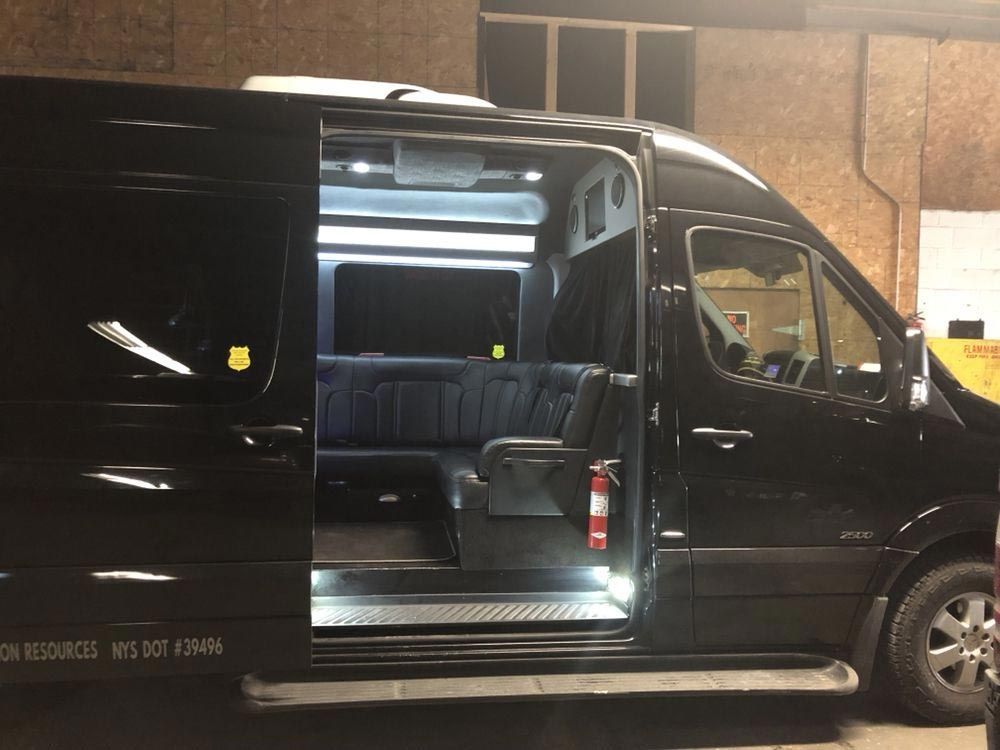
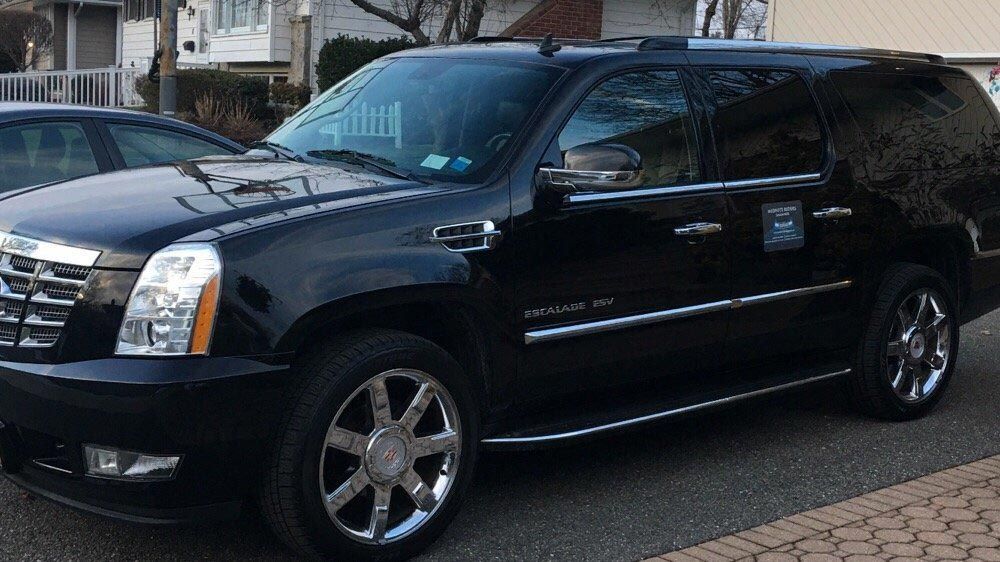
Midnite Riders provides reliable and luxurious cruise terminal transportation with over 20 years of experience and a team of more than 50 available drivers. Their cruise transportation service is built around making the journey to the terminal as smooth and stress-free as possible, with flexible scheduling to accommodate shifting itineraries and professional drivers who prioritize your comfort and punctuality. Whether you are embarking from Manhattan or Brooklyn, having a trusted transportation partner handle the logistics means you can focus on what actually matters - getting excited about your cruise.
Choosing a professional service also means your luggage is in good hands from the moment you leave home. Rather than wrestling bags into a cramped vehicle or making multiple trips from a distant parking garage, you can arrive at the curbside drop off zone with everything organized, your driver positioned correctly, and your bags ready to hand off to the porter in a matter of minutes. That kind of seamless handoff is what sets a great departure experience apart from a chaotic one.
What to Do After the Luggage Drop Off and Before You Board
Once your bags are in the hands of the porters, the next phase of embarkation begins. Knowing what comes next helps you stay organized and avoid any last-minute confusion. After the curbside drop off, you will typically proceed to the terminal entrance where you will go through security screening. This is similar to airport security - you will need to present your boarding documents and identification, and carry-on bags will go through an X-ray machine.
After security, you will complete the formal check-in process at the cruise line's counter if you have not already done so through online check-in. This is where your cruise card or boarding pass is issued, giving you access to the ship and serving as your onboard payment method for the duration of the voyage.
While you are waiting to board, keep these things in mind:
- Your checked bags will not be in your stateroom immediately. Most cruise lines deliver bags in the hours following departure, so do not plan to access anything from your checked luggage right away.
- If a bag has not arrived at your stateroom by the evening of embarkation day, notify guest services promptly so they can track it down.
- Keep your carry-on bag with you at all times during the boarding process. Do not leave it unattended in the terminal waiting area.
- Take note of any important announcements regarding luggage pickup or special handling requirements for oversized items like strollers or sports equipment.
The period between luggage drop off and boarding is actually a great opportunity to explore the ship, grab a meal at the buffet, or settle into common areas while you wait for your stateroom to be ready. Most staterooms are accessible by early to mid afternoon on embarkation day, and your bags should follow within a few hours after that.
Navigating cruise terminal luggage drop off does not have to be stressful. With the right preparation, smart timing, and reliable transportation, the entire process from curbside arrival to stepping aboard your ship can feel effortless. Whether you are a first-time cruiser or a seasoned traveler, taking these steps seriously will set the tone for a genuinely enjoyable vacation from the very first moment. And when you are ready to book the transportation that makes it all come together, Midnite Riders is ready to get you there in comfort, on time, and without the hassle.